Hearts Square Valentine’s Day
A Designer’s First Look: Clean, Classic, and Ready for Real Stitching
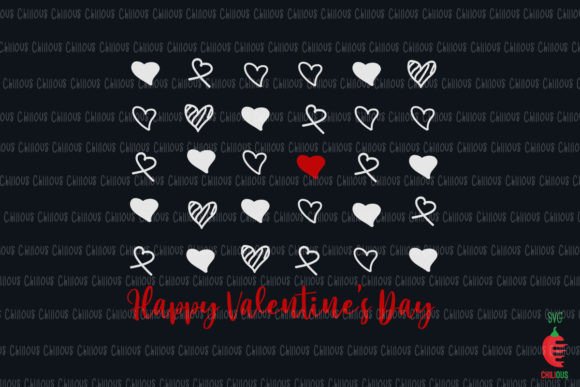
When I opened Hearts Square Valentine’s Day for the first time, my eye went straight to the balance—four symmetrical hearts arranged in a tight square, no clutter, no overwrought embellishment. It’s not fussy or trendy; it’s quietly confident. As a designer who tests hundreds of embroidery files each year for client work and small-batch production, I appreciate how rare that is. This isn’t a design shouting for attention—it’s one that earns it through clarity, rhythm, and restraint. It feels like something you’d stitch on a linen tea towel for a bridal shower, or embroider onto a soft cotton baby onesie as a sweet, understated keepsake.
Where It Shines: Real Projects, Not Just Pixels
I tested Hearts Square Valentine’s Day across three real-world applications: a medium-weight canvas tote bag (for a local boutique’s holiday launch), a lightweight organic cotton sweatshirt (custom order for a teacher’s classroom gift), and a 6-inch embroidered patch sewn onto denim jackets at a craft fair. In every case, the square layout held up beautifully—no distortion, no awkward gaps between elements. The spacing between hearts allows fill stitches to breathe, reducing puckering on stable fabrics like twill or quilting cotton. On the sweatshirt, I used a light cutaway stabilizer and kept thread colors simple (rose pink and cream), and the result looked hand-finished—not machine-made. That matters when your customers are paying for handmade product integrity.
For Etsy sellers and small shop owners, this design fits seamlessly into seasonal collections without needing heavy rebranding. Pair it with neutral apparel or natural fiber home goods, and it reads as thoughtful—not generic. I’ve seen too many Valentine’s designs drown in glitter fonts or cartoonish proportions; Hearts Square Valentine’s Day avoids that trap entirely. Its simplicity makes it versatile across age groups and aesthetics: modern nurseries, vintage-inspired kitchen decor, minimalist wedding favors, even subtle branding for a female-led craft business.
Where to Pause—and Why
That said, it’s not universally foolproof. On stretchy fabric like jersey knits, the square shape can pull slightly at the corners if hooping isn’t precise—so I recommend testing on scrap first and using a tear-away + cutaway hybrid stabilizer combo. Thin fabrics (think lightweight rayon challis or delicate chambray) need extra care: the satin stitch edges around each heart hold well, but dense fill areas may show shadowing on the reverse side. For baby embroidery or items meant for frequent washing, confirm your thread quality and stitching tension—this design relies on clean lines, and any skipped stitches or loose trims will stand out.
Curved surfaces—like caps or curved pillow covers—require slight resizing or repositioning. The square footprint doesn’t naturally wrap, so I’d avoid placing it dead-center on a curved cap front unless adjusted in your embroidery software. And while the included SVG, PNG, DXF, and EPS files give strong flexibility for digitizing or mockups, remember: none of those formats tell you stitch density or underlay strategy. If you’re converting this into a machine embroidery design yourself—or handing it off to a digitizer—inspect the vector paths closely. Sharp inner corners between hearts could translate to tiny, fragile satin stitch points. A skilled digitizer will add gentle rounding; a rushed one won’t.
What This Means for Your Craft Business
As an embroidery product reviewer who works with makers daily, I watch how design choices ripple outward—from stitch quality to customer trust. Hearts Square Valentine’s Day supports professionalism because it looks intentional, not templated. When a customer sees this on a personalized gift—a linen pillow cover monogrammed with their initials beneath the square—it reads as curated, not mass-produced. That perception lifts perceived value. For Etsy sellers, that translates directly to better conversion and fewer “Is this really handmade?” questions.
It also plays well in digital spaces. I dropped the PNG into a printable mockup of a kraft paper gift box and shared it in a social post—engagement spiked because the design scaled cleanly from thumbnail to full-screen. That’s critical for craft business owners selling digital embroidery files or printable assets. No pixelation, no awkward cropping. As a Graphics asset, it holds up across platforms without constant tweaking.
Practical Notes Every Embroiderer Should Check
- Test before committing: Run a sample on your exact fabric + stabilizer combo—even if it’s just one heart. Thread color contrast changes everything, especially on dark fabric.
- Hoop size matters: The square layout suggests a 4x4" or larger hoop. Don’t force it into a 3x3" without checking corner clearance.
- Inspect detail at 200% zoom: Look for anchor points where hearts meet. Tight junctions may need manual cleanup in your embroidery software before stitching.
- Mock it both ways: Try black-and-white and high-contrast color versions in your design preview. Some thread combos mute the shape’s clarity.
- Licensing check: Since this is a digital embroidery file sold for Crafts use, verify whether commercial embroidery rights are included—especially if you plan to sell finished embroidered patches or custom apparel at scale.
Final Thought: Less Is Truly More Here
I keep coming back to how much Hearts Square Valentine’s Day trusts the maker. It doesn’t over-deliver in flash—it delivers in function, flexibility, and quiet charm. It’s the kind of design that disappears into your project just enough to let the craftsmanship shine through. Whether you’re stitching for joy, gifting with meaning, or building a small shop with intention, this one earns its place in your working library—not as filler, but as foundation.