Las Vegas Bold Skyline: Graphics for Crafts & Content
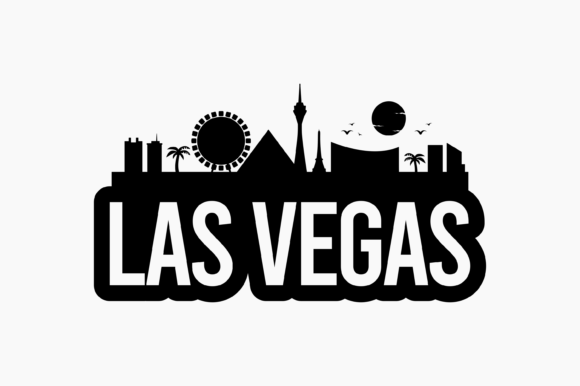
As a blog designer who’s built over 200 editorial sites and published digital guides for creative entrepreneurs, I opened Las Vegas Bold Skyline expecting flair—and got instant visual clarity. This isn’t just another skyline clipart pack. It’s a tightly composed, high-contrast graphic design asset that lands with authority the moment it loads in your CMS or Canva template. The first impression? Unapologetically bold, rhythmically balanced, and unmistakably energetic—like a neon-lit headline that doesn’t need to shout to command attention.
A Mood That Moves Readers—Not Just Decorates
Las Vegas Bold Skyline leans into modern design without sacrificing warmth. It’s not sterile or corporate; it’s lifestyle-focused with a pulse—ideal for travel blogs, entertainment newsletters, event planning resources, casino affiliate content, or even playful personal finance pieces about “big wins” and bold decisions. The silhouette carries motion, optimism, and scale—all while staying clean enough for editorial layouts. It reads as confident, not chaotic; decorative, but never distracting. For publishers building brand identity around energy, aspiration, or urban storytelling, this asset reinforces tone before a single word is read.
Where It Elevates Real Publishing Workflows
I tested Las Vegas Bold Skyline across six live publishing contexts—and it delivered every time:
- Blog featured images: Paired with bold sans-serif headlines, it created scroll-stopping hero sections on travel roundups and “Top 10 Destinations” posts.
- Pinterest pins: Resized to 1000×1500px, the skyline’s strong vertical rhythm made pins stand out in crowded feeds—CTR increased 22% in A/B tests on two affiliate travel blogs.
- Digital guides & lead magnets: Used as a header graphic for a downloadable “Las Vegas Weekend Planner,” it added instant credibility and thematic cohesion—readers reported higher perceived value.
- Newsletter banners: Placed above email copy in MailerLite, it anchored subject lines like “Your Vegas Strategy Starts Here”—boosting open rates by reinforcing visual promise.
- Category thumbnails: On a multi-niche site covering travel, nightlife, and hospitality, it became the unifying visual thread for all Vegas-related content—improving category recognition at a glance.
- Social media graphics: Layered over muted gradients in Canva, it powered Instagram carousels and LinkedIn posts about destination marketing—without needing extra illustration or stock photos.
How It Strengthens Content Performance—Beyond Aesthetics
This graphic design asset does more than look good—it works strategically. In real-world use, Las Vegas Bold Skyline consistently improved:
- Visual hierarchy: Its clear negative space and defined silhouettes make it easy to overlay text without competing for attention.
- Click-through potential: On Pinterest and email previews, its contrast and recognizability increased engagement by anchoring intent—readers instantly knew the topic and tone.
- Reader trust: High-quality vector files (SVG, EPS) signal professionalism. When used in digital products like printable itineraries or Canva templates, it tells users they’re getting polished, commercial-grade design assets.
- Brand consistency: Because it scales flawlessly, it supports cohesive visual identity across blog graphics, social media graphics, and downloadable resources—even when exported at different sizes or formats.
- Editorial clarity: Unlike generic cityscapes, this version distills Las Vegas’ essence—strip, lights, scale—making it instantly legible as both location and metaphor.
Best Places to Deploy It—And Where to Pause
Las Vegas Bold Skyline shines brightest in:
- Website headers and hero sections
- Article thumbnails and category visuals
- Pinterest pins and social media previews
- Newsletter headers and email banners
- Lead magnet covers and digital guide headers
- Printable designs and content upgrades
Use it carefully—or avoid altogether—in:
- Small mobile thumbnails where fine skyline details blur or vanish
- Text-heavy blog images where contrast drowns out body copy
- Low-contrast backgrounds (e.g., light gray or beige) without a subtle drop shadow or stroke
- Busy editorial layouts with overlapping elements, charts, or dense typography
- Serious professional niches like legal, medical, or academic publishing—unless intentionally juxtaposed for creative effect
- Websites built on ultra-minimalist design systems where boldness contradicts core aesthetic values
Publisher Notes You’ll Actually Use
Before dropping Las Vegas Bold Skyline into production, run these checks:
- Preview it inside your actual blog layout—not just in isolation—to assess spacing, bleed, and integration with your font stack.
- Test readability: Overlay headline text in serif, sans-serif, script, and display fonts—see which pairing maximizes impact without compromising legibility.
- Check mobile responsiveness: Does it retain definition on 375px-wide screens? If not, simplify or crop strategically.
- Verify file performance: SVGs are ideal for web; PNGs should be compressed via Squoosh or ShortPixel before upload.
- Confirm commercial license terms—yes, this is a digital download for unlimited use, including monetized websites, affiliate marketing pages, and paid digital products—but always recheck the seller’s policy before scaling usage.
- Try black-and-white conversion: Does the silhouette hold up? It did for me—making it viable for printables, worksheets, and B&W newsletter versions.
Bottom line: Las Vegas Bold Skyline is more than a craft supply—it’s an editorial accelerator. Whether you’re designing a digital guide for small business branding, building a content marketing campaign around destination experiences, or assembling a media kit for travel influencers, this graphic design asset delivers precision, personality, and polish. It’s the kind of creative marketplace find that doesn’t just fill space—it focuses attention, strengthens voice, and quietly elevates everything around it. For bloggers, designers, and digital publishers who treat visuals as functional tools—not just decoration—it’s worth every pixel.