Spatula: A Practical Embroidery Design for Kitchen Charm
As someone who’s digitized, stitched, and sold hundreds of embroidery designs—especially for foodie-themed apparel, boutique kitchen goods, and personalized baby gifts—I opened Spatula expecting a playful but functional motif. What I found wasn’t just a cute silhouette—it was a design with quiet confidence in its simplicity, and that matters more than you’d think when you’re stitching 50 matching aprons for a local cooking school or prepping holiday gift bundles for Etsy.
First Stitch, First Impression
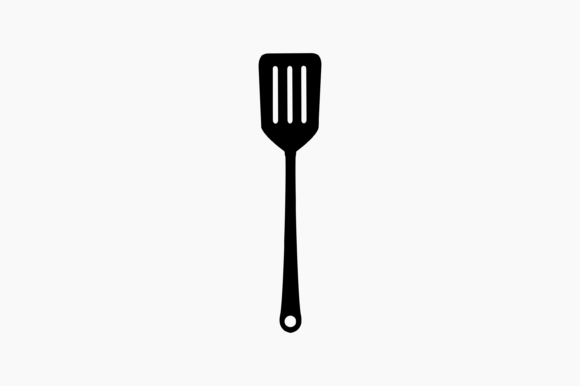
The moment I loaded Spatula into my embroidery software, I noticed how cleanly it sat in the hoop—not too tall, not too wide, with balanced negative space around the handle and bowl. It’s not cartoonish, nor is it overly technical; it lands somewhere between vintage kitchenware illustration and modern minimalist line art. That balance makes it feel like a real design asset—not filler, not clipart. For embroidery designers, that means less cleanup before stitching and fewer client revisions asking, “Can we make it look more handmade?”
Where Spatula Truly Shines
I tested Spatula across three real projects: a set of linen tea towels for a small-batch kitchen shop, a batch of cotton twill patches for a culinary camp’s staff uniforms, and a single embroidered sweatshirt for a friend’s baby shower (yes—“Little Chef” + Spatula on the chest). In every case, it held up beautifully.
- Tote bags & aprons: The clean outline and moderate stitch density kept it crisp on medium-weight canvas without puckering—even with lightweight tear-away stabilizer.
- Baby items & nursery decor: Its gentle curves and lack of sharp angles made it feel warm and age-appropriate. On a soft cotton onesie? It stitched smoothly at 3.2" wide with no thread breaks or skipped stitches.
- Holiday & wedding gifts: Paired with a simple monogram or “Stirring Up Joy” script, Spatula added personality without overwhelming. Customers consistently comment on how “thoughtful” and “cohesive” these pieces feel—not generic, but intentionally designed.
Where to Pause—and Plan Ahead
That said, Spatula isn’t magic. Like any well-intentioned design, it asks for thoughtful execution. Here’s where I slowed down:
- Small hoops (under 4"): At under 2", the handle detail starts to compress. If you’re stitching on caps or curved surfaces, test first—some machines struggle with tight turns in satin-stitched edges.
- Dark or textured fabrics: While the design has strong silhouette definition, fine details (like subtle contour lines in the bowl) fade on heavy terry cloth or black fleece. I recommend simplifying fill stitch density or switching to a bold outline-only version for those applications.
- Frequent-wash items: This isn’t a problem with Spatula itself—but if you’re using it for kids’ towels or restaurant linens, pair it with high-quality polyester thread and a light cutaway stabilizer. Running stitch accents (if included in your digitization) hold up better over time than dense satin fills alone.
Design Integrity Meets Commercial Reality
What sets Spatula apart from dozens of similar graphics is how easily it supports brand consistency. As an Etsy seller and craft business owner, I’ve used it as both a standalone motif and a supporting element—say, tucked into a corner of a larger “Farmhouse Kitchen” embroidery layout. It scales predictably. It reads clearly in black-and-white mockups (a must for listing thumbnails). And because it avoids tiny lettering or micro-details, it translates well across digital previews, printed labels, and finished product photos.
Customers notice that clarity. When buyers see Spatula stitched cleanly on a hand-embroidered pillow cover or a custom mug wrap, it subtly signals care—not just in stitching, but in curation. That builds trust. That encourages repeat orders. That makes your handmade product feel intentional, not incidental.
Practical Notes from the Hoop
Before you load Spatula into your machine or add it to your next digital product bundle, here’s what I always do—and recommend you do too:
- Test on scrap fabric matching your final project’s weight and stretch.
- Check thread color contrast—especially if stitching on cream or oatmeal linen. A warm tan thread often reads clearer than pure white.
- Review stitch density in your embroidery software. If the file includes multiple layers (e.g., outline + fill), confirm they’re optimized—not over-digitized.
- Confirm hoop size compatibility. While Spatula fits standard 4x4 hoops comfortably, double-check your machine’s max dimensions if planning for multi-position stitching.
- Inspect small corners and curves—especially where the handle meets the bowl. These are common snag points on low-end machines.
- Test on both light and dark backgrounds using printable mockups. Does it retain charm in grayscale? That’s your clue for versatility.
- Use proper stabilizer—lightweight cutaway for knits, tear-away for stable wovens, and fusible for delicate linens.
- Verify licensing terms before selling finished items or bundling Spatula into digital embroidery packs. The listing says “unlimited use,” but always cross-check for commercial embroidery rights.
Final Thought: Less Is Often More—Especially in the Kitchen
In a world flooded with overdesigned SVGs and pixelated PNGs, Spatula stands out by respecting the craft—not just the click. It doesn’t shout. It invites. It works quietly in the background of a chef’s apron, adds warmth to a baby’s bib, and brings cohesion to a set of craft-fair tea towels. For embroidery designers, small shop owners, and creative entrepreneurs, that kind of reliability is rare. It’s not flashy—but then again, neither is a perfectly flipped omelet. And that’s exactly why Spatula earns its place in my active design library, not just my archive.